
Leírás
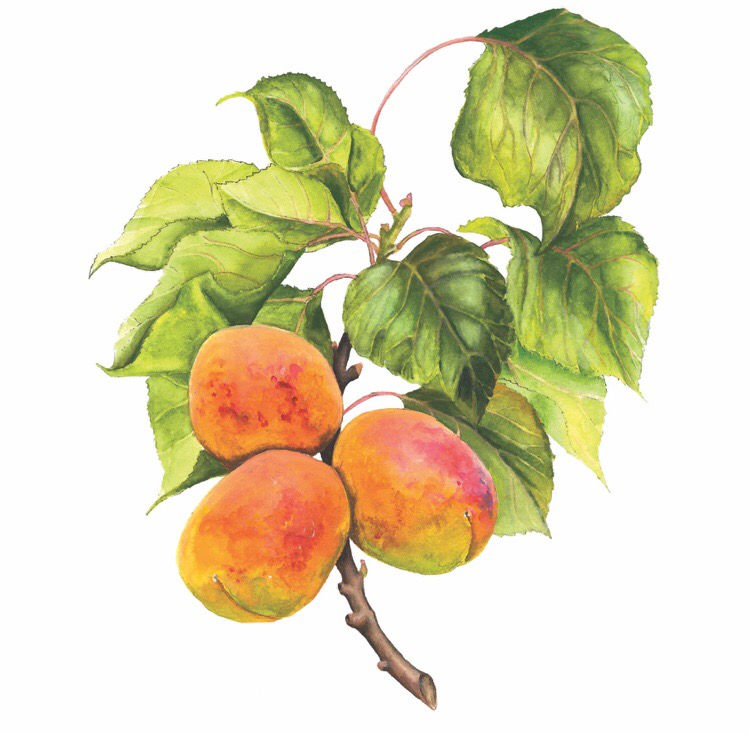
Dried apricots – natural Hungarian dried fruit with no added sugar, sulphur dioxide or preservatives
The dried apricots a natural Hungarian dry grape with a sweet and sourish taste, which no added sugar, sulphur dioxide or preservatives is being made. The hand-picked apricots are dried to give them a more concentrated flavour, a denser texture and a more intense aroma.
The value of the product Hungarian apricots, simple composition, natural fruity taste, sulphur dioxide-free processing and no added sugar. It is not a sugar syrup, not artificially sweetened, not a large-scale industrial dried product with no sulphite preservation, but a natural fruit product made from real apricots.
Why are natural dried apricots valuable?
The dried apricots concentrated fruit form: during the drying process, a significant part of the water content of the fruit is removed, while the natural sugars, fibres, fruit acids, minerals and plant accompanying substances of the apricot remain in a more concentrated form.
Apricots naturally contain dietary fibre, potassium, carotenoids and fruit acids. When dried, these fruit-specific flavour and nutrient profiles are more concentrated, giving a characterful fruity experience even in small quantities.
Dried apricots without added sugar
This is the dried apricot of Mád contains no added sugar. Its sweetness is due to the natural sugar content of the apricot, which is balanced by the fruit's own sour aroma.
In the case of sweetened industrial dried grapes, sugar syrup treatment or post-sweetening may be common. This can overpower the natural sweet-sour taste of the apricots, making the product more of a sugary sweet. In contrast, natural dried apricots build on the fruit's own character.
Sulphur dioxide-free dried apricots - without sulphite preservation
For apricots, one of the most common differences in large-scale drying is the sulphur dioxide or sulphite treatment. These additives are often used to preserve a lighter, brighter colour, slow down browning and improve shelf life.
This is the Dried Madian apricots sulphur dioxide-free, i.e. without sulphite preservation. Natural drying gives the fruit a more natural, less artificially bright colour, but the composition is simpler: the product is not characterised by additives, but by the apricots themselves and the drying process.
Possible uses
The dried apricots can be eaten on its own, but is particularly good with breakfast foods, granola, yoghurt, cakes and seed mixes. Its sweet and sour character balances the flavour of nuts, almonds, oats, chocolate or cottage cheese desserts.
- on its own as a fruity snack,
- mixed into porridge, muesli or granola,
- with natural or vegetable yoghurt,
- for homemade cakes and fruitcake,
- for seed mixes, nuts and almonds,
- for a trip, as a travel gift or as a natural sweet.
Dried apricots for cakes and granola
The aromatic, sweet-sour taste of apricots works well in oat, seed, cottage cheese, chocolate and fruit recipes. Dried Madinje apricots cut into smaller pieces can be incorporated into granola, homemade granola bars, fruitcake or cake fillings.
The natural, no added sugar and sulphur dioxide-free composition means that the taste of the fruit itself remains the defining characteristic. This is especially important if you want to give your dishes a more natural fruity character rather than an over-sweetened one.
More Hungarian dried fruit
In addition to the dried apricots of Mád, it is worth looking around the dried fruit in its full range. In addition to apricots, Hungarian dried apples, pears, sour cherries, plums and other natural fruit-based dried fruit are also available.
Natural sources of fibre include Apple fibre and the Apple Pectin with Inulin also links well with a fibre-conscious, gut flora-centred diet.
Frequently asked questions about dried Madinje apricots
Does it contain added sugar?
No. There is no added sugar in dried apricots. Its sweetness is due to the natural sugar content of the apricots.
Does it contain sulphur dioxide or sulphite?
No. These dried apricots are sulphur dioxide-free, i.e. they are preserved without sulphites.
Does it contain preservatives?
No. The product is made without preservatives, as a natural salt with a simpler composition.
What does dried apricots taste like?
Sweetly acidic, aromatic, intense fruit flavour. The natural flavour of apricots is more concentrated.
How is a natural dried apricot different from the sweetened, sulphur dioxide-sweetened, commercial variety?
Natural dried apricots are based on the fruit's own flavour, natural sugar content and tart character. Large-scale sweetened or sulphur-dioxided dried apricots may be treated with sugar syrup, added sugar or sulphite preservation.
How can it be used?
It can be eaten on its own, in granola, porridge, yoghurt, cakes, fruitcake, seed mixes or as a travel snack.
 Magyar
 Slovenčina
 Română
 Deutsch
 English (UK)
Reviews
There are no reviews yet.