




Leírás
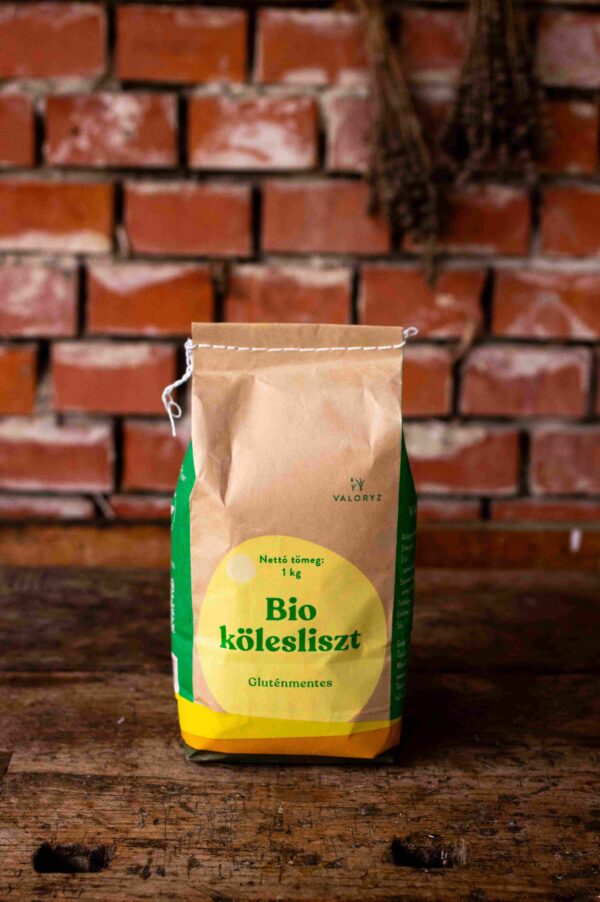
Organic millet flour, 1 kg – Hungarian, gluten-free flour from organic farming
A Valoryz Organic Millet Flour Naturally gluten-free flour, ground from millet grown using organic farming methods. With a fine grain size, this versatile ingredient mixes well and is ideal for pancakes, flatbreads, mixed doughs, savoury and sweet baked goods, breading and thickening.
The value of millet flour is determined by the gluten-free composition, organic quality, protein and fibre content, and the natural mineral and B-vitamin content of millet It can be used not only as a substitute for wheat flour, but also as a plant-based ingredient that adds more substance to gluten-free recipes.
Composition and nutritional profile of organic millet flour
On average, 100 g of organic millet flour contains 384 kcal, 14.3 g protein, 8.1 g dietary fibre, 56.8 g carbohydrates and 5.3 g fat contains.
- Protein: 100 g of organic millet flour contains an average of 14.3 g of protein.
- Dietary fibre: It contains 8.1 g of fibre per 100 g of product, making it a good choice for gluten-free recipes that are higher in fibre.
- Magnesium: an important component of millet’s natural mineral profile.
- Phosphorus: a mineral commonly found in cereals, which is also present in millet.
- Iron and zinc: plant-derived trace elements that enhance the nutritional profile of millet.
- B vitamins: Millet contains several B vitamins, including vitamins B1, B3 and B6.
Millet flour for gluten-free baking and cooking
Millet flour is a versatile ingredient in gluten-free cooking. Thanks to its neutral, mildly distinctive flavour, it works well in both sweet and savoury recipes. It can be used in pancakes, flatbreads, muffins, mixed cakes, savoury tarts, vegetable pasta dishes and for breading.
It can be used on its own in certain simpler recipes, but when baking gluten-free, it often gives better results when mixed with other flours. Combining it with rice flour, brown rice flour, millet flour, semolina or fibre-rich ingredients helps to achieve a more balanced texture.
Protein, fibre and minerals in millet flour
Organic millet flour protein and dietary fibre It contains these nutrients, so it is well suited to gluten-free recipes where the aim is not simply to replace wheat flour. The fibre helps to make the dough more substantial, whilst the protein is an important part of millet’s natural composition.
Millet flour magnesium, phosphorus, iron, zinc, copper, manganese and B vitamins It also contains these ingredients. These ingredients are particularly important if, as part of your gluten-free diet, you don’t just use flours made from refined starches, but also incorporate more natural, whole ingredients into your baking and cooking.
A comparison of millet flour, rice flour and brown rice flour
A white rice flour A gluten-free flour with a neutral flavour and a fine texture, which is ideal for thickening, breading, pancakes and mixed doughs. The brown rice flour It has more character because the outer layer of the rice grain contains fibre, minerals and other plant compounds. This gives it a denser, heartier texture.
A millet flour Compared to rice flours, it imparts a slightly nuttier, warmer flavour profile. It is particularly well suited to thicker, softer doughs, flatbreads, pancakes, savoury pastries and gluten-free recipes with a millet-like character. When mixed with brown rice flour, it produces a more substantial dough; when mixed with white rice flour, it produces a softer dough that is easier to shape.
Organic quality from certified organic production
Valoryz Bio millet flour is made from millet grown using organic farming methods. Organic production is subject to a system of controlled standards covering cultivation, processing, storage and packaging.
Hungarian origin and organic quality are particularly important for this product: they mean a more transparent source of raw materials, a shorter supply chain and certified organic production. Millet flour thus does not end up in the kitchen as an imported flour of distant and uncertain origin, but as a gluten-free flour made from domestic organic ingredients.
Suggestions for use
Millet flour differs from wheat flour in terms of its water absorption and texture, so it is best to add it gradually when baking gluten-free. It works well in pancake batter, mixed cakes and flatbreads, but for bread-like doughs, it gives better results when combined with other gluten-free flours, fibres or binding agents.
- For pancakes: It works well when mixed with rice flour or brown rice flour.
- For flatbreads: It goes well with vegetable-filled savoury pastries and pan-fried flatbreads too.
- For mixed cakes: It can be used for muffins, sponge-like batters and fruit cakes.
- For compression: It can be added in small quantities to vegetable stews, sauces and creamier dishes.
- For breadcrumb coating: It can be used on its own or mixed with other gluten-free flours.
- For savoury recipes: It goes well with vegetable meatloaves, fillings, savoury pies and casseroles.
What should you choose to go with it?
For gluten-free baking, the following go well with millet flour: Hungarian gluten-free rice, rice flours and millet-based products. White rice flour is best for softer, more neutral-tasting doughs; brown rice flour is ideal for recipes with more distinctive flavours; and organic millet complements the use of flour when served as a side dish or porridge.
They go well with sweeter porridges, pancakes and cakes plain dried fruit. Whether you’re making savoury flatbread, vegetable meatloaf or a one-pot dish with millet flour, the cold-pressed natural oils They are ideal for ready meals, salads and cold dishes.
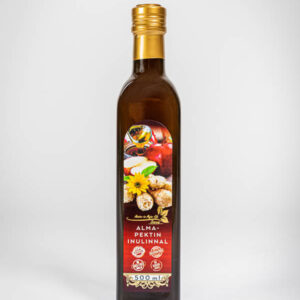
If you want to eat more fibre, the Apple fibre and the Apple Pectin with Inulin play a different role to millet flour: they are used to boost the fibre content of the diet. For gluten-free cakes and more substantial home-made recipes, the sparrows …are also well connected.
Product features
- Gluten-free flour ground from organically certified millet.
- On average, 100 g of the product contains 14.3 g of protein and 8.1 g of fibre.
- It contains magnesium, phosphorus, iron, zinc, copper, manganese and B vitamins.
- Vegan, lactose-free, plant-based flour.
- It can be used for pancakes, flatbreads, mixed cakes, breading and thickening.
- It works particularly well when mixed with other gluten-free flours.
Frequently asked questions
Is organic millet flour gluten-free?
Yes, millet is naturally gluten-free. Organic millet flour can be used for gluten-free baking, cooking, thickening, breading and making pancakes.
Can it be used on its own instead of wheat flour?
It can be used on its own in simpler recipes, but it does not fully replicate the texture of wheat flour because it does not contain gluten. It works well for pancakes, flatbreads and mixed doughs; for bread-like doughs, it is best used in combination with other gluten-free flours and binding agents.
How does millet flour differ from rice flour?
Rice flour has a more neutral flavour and a finer texture, whilst millet flour imparts a slightly more distinctive, nutty flavour. Millet flour also contains protein, fibre, magnesium, phosphorus, iron, zinc and B vitamins.
Can it be used in both sweet and savoury recipes?
Yes. It can be used for pancakes, fruit cakes, muffins, flatbreads, savoury tarts, vegetable patties, breading and thickening.
What should you buy to go with gluten-free baking?
It’s also worth choosing white rice flour, brown rice flour, organic millet, plain dried fruit and seeds to go with it, depending on whether you’re using it in a sweet or savoury recipe.
 Magyar
 Slovenčina
 Română
 Deutsch
 English (UK)
Reviews
There are no reviews yet.