



Leírás
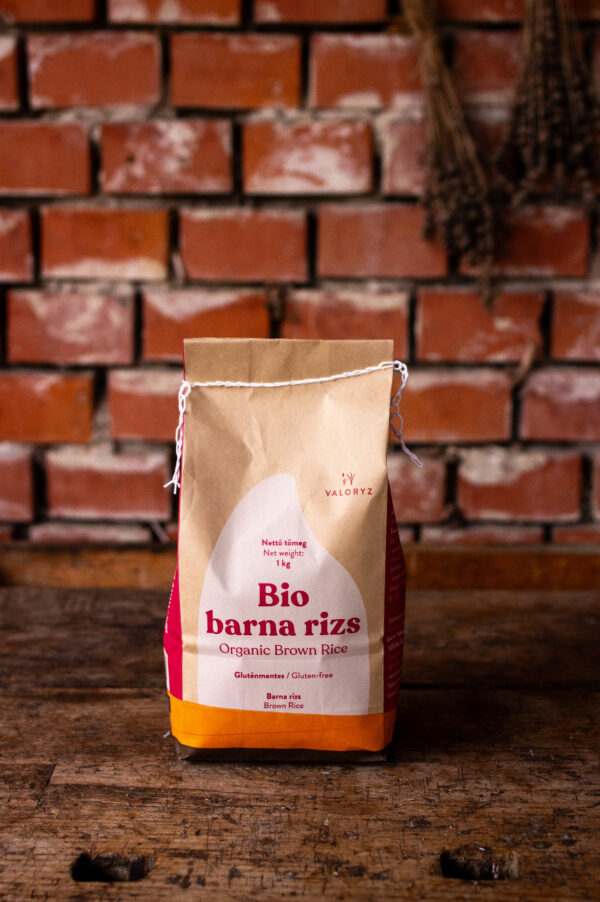
Organic brown rice, 1 kg – Hungarian, gluten-free organic brown rice
A Valoryz Organic Brown Rice 1 kg Organic rice sourced from Hungarian organic farms and certified by Biokontroll Hungária. Brown rice is a less refined form: the outer layer of the rice grain is retained, giving the finished dish a more distinctive flavour, a firmer texture and more fibre than white rice.
Organic brown rice can be used in side dishes, vegetable one-pot meals, casseroles, stuffings, salads and heartier rice-based dishes. It takes longer to cook than white rice, so pre-soaking or allowing it to stand for longer will result in a more even, softer texture.
Brown rice with the outer layer intact
With brown rice, the outer layer of the grain is retained. This layer contains fibre, minerals and plant-based compounds, which is why brown rice differs from white rice in terms of taste, colour and texture.
White rice is softer and cooks more quickly, whereas brown rice is chewier, has a nuttier flavour and imparts a stronger rice flavour. It goes particularly well with vegetable dishes, pulses, salads and spicier dishes, as it retains a more distinct texture even after cooking.
Fibre, protein and minerals in organic brown rice
Organic brown rice carbohydrates, protein, dietary fibre, B vitamins and minerals contains. On average, 100 g of brown rice contains approximately 7.8 g protein and 6.3 g fibre can be found, and the carbohydrate content is mainly in the form of starch.
- Dietary fibre: The outer layer of the rice grain contains a significant proportion of the fibre found in brown rice.
- Rice protein: On average, there are 7–8 g of protein in 100 g of the product.
- B vitamins: Brown rice may also contain vitamins B1, B2, B3 and B6.
- Magnesium and phosphorus: key components of the mineral content of brown rice.
- Zinc, potassium and selenium: the trace elements and minerals associated with the outer layer of the rice grain.
Organic quality, certified by Biokontroll Hungária
Valoryz Organic Brown Rice is sourced from certified organic farms. The organic certification covers cultivation, product handling and the certified production process; certification is carried out by Biokontroll Hungária.
The product comes from Hungarian growing areas, specifically the rice-growing regions of the Great Plain and the Körös Valley.
Preparation and cooking ratio
Rinse the brown rice thoroughly before cooking. After frying it briefly, season with salt, then add about three times the volume of water. Once it has come to the boil, cook, covered, over a low heat until tender. Brown rice is usually 35–40 minutes is completed during this time.
For a fluffier texture, leave it to rest, covered, after cooking, then fluff it up with a fork. For a softer side dish or in casseroles, leaving it to rest for longer, soaking it beforehand or adding a little more water will give better results.
Suggestions for use
- As a side dish: to serve with vegetable stews, roasted vegetables, fish, meat dishes and pulses.
- For one-pot meals: with vegetables, beans, lentils, chickpeas or spicy sauces.
- For layered dishes: for vegetable, meat or dairy-free casseroles.
- For fillings: for making stuffed peppers, stuffed vegetables and cabbage dishes.
- For rice salads: It works well even when cold, as brown rice retains its firm texture even after cooking.
- For spicy dishes: It also goes well with curry-style, Mediterranean or vegetable-based dishes.
The difference between white rice and brown rice
A white rice Husked, with a lighter and more neutral flavour. It cooks more quickly, making it a practical choice when a short cooking time, a softer side dish or a less distinctive rice base is required.
A brown rice In the case of brown rice, the outer layer of the grain contains fibre, minerals and plant-based compounds. As a result, brown rice is darker in colour, has a stronger flavour and requires a longer cooking time. It works well in dishes where the rice is not merely a side dish, but also lends a more pronounced texture and character to the meal.
What should you choose to go with it?
If you’d like a lighter, quicker-to-prepare side dish, white rice goes well with organic brown rice. For pancakes, thickening and gluten-free baking, the white rice flour, brown rice flour and organic millet flour can be used.
For rice salads, vegetable dishes and cold side dishes, the cold-pressed natural oils give a more distinctive flavour. For sweeter porridges, homemade desserts and breakfast-style rice dishes, the plain dried fruit are suitable.
If you want to eat more fibre, the Apple fibre and the Apple Pectin with Inulin can be used as a separate addition. For thicker fillings, homemade cakes and recipes with a more distinctive flavour, the sparrows …are also well connected.
Product features
- Organic Hungarian brown rice, sold in 1 kg packs.
- An organic product certified by Biokontroll Hungária.
- It is, of course, suitable for a gluten-free and vegan diet.
- The outer layer of a grain of rice contains fibre, minerals and plant-derived substances.
- It may also contain B vitamins, magnesium, phosphorus, zinc, potassium and selenium.
- It takes longer to cook, usually 35–40 minutes.
- It can be used with side dishes, vegetable dishes, casseroles, fillings and rice salads.
Frequently asked questions
Is Valoryz Organic brown rice gluten-free?
Yes, brown rice is, of course, gluten-free. It can be used as a side dish, in vegetable one-pot meals, in casseroles, as a filling and in rice salads.
Is the product certified organic?
Yes, Valoryz Bio brown rice comes from certified organic farming and is an organic product certified by Biokontroll Hungária.
How is brown rice different from white rice?
In brown rice, the outer layer of the grain is retained, which contains fibre, minerals and other plant compounds. As a result, brown rice has a more distinctive flavour, a firmer texture and requires a longer cooking time than white rice.
How do you cook brown rice?
Rinse it, then fry it briefly. Pour in about three times as much water, season with salt, bring to the boil, then cook, covered, over a low heat until tender. It usually takes 35–40 minutes to cook.
What sort of dishes can it be used with?
It can be used in vegetable one-pot dishes, casseroles, stuffings, rice salads, roasted vegetables, fish dishes, meat dishes and legume-based dishes.

Reviews
There are no reviews yet.